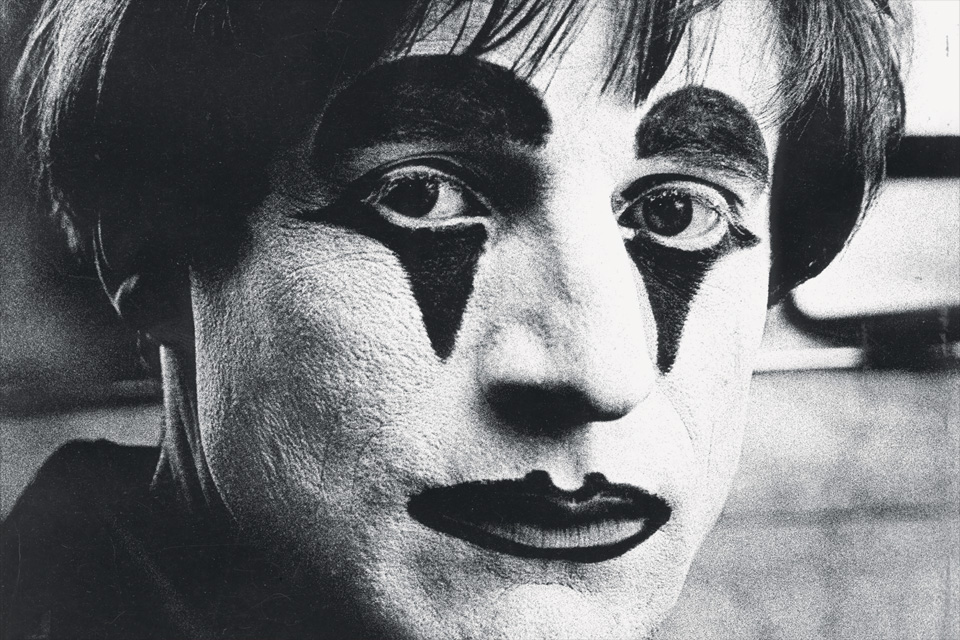
There are professional clowns today who have never even heard of the great Swiss clown Dimitri, though they owe him a big debt. Dimitri died this week at the age of 80 in the Italian region of Switzerland, where he lived and, since 1975, operated the still-thriving Scuola Teatro Dimitri. But he sure should be remembered, because he played a major role in elevating the status of the clown as a performing artist. And I’ll tell you why…
Flashback to October, 1975, when Dimitri made his New York debut at the age of 40, performing his one-man show on stage to a packed house at Hunter College. (Yes, I was there.) Sure, Marcel Marceau was filling theatres bigger than that on a regular basis, but Dimitri was a CLOWN, not a mime. Audiences loved him and came away with a heightened understanding of what a clown could be. And aspiring clowns took inspiration from his success and began taking themselves more seriously. This was especially true in the United States, where clowns rarely got to play in theatres. And Dimitri reminded us that clowns were traditionally highly skilled, as he played ten different instruments (including four at a time), juggled ping-pong balls out of his mouth, and performed sleight-of-hand and balancing feats, all to great comic effect, as he got himself in and out of endless troubles.
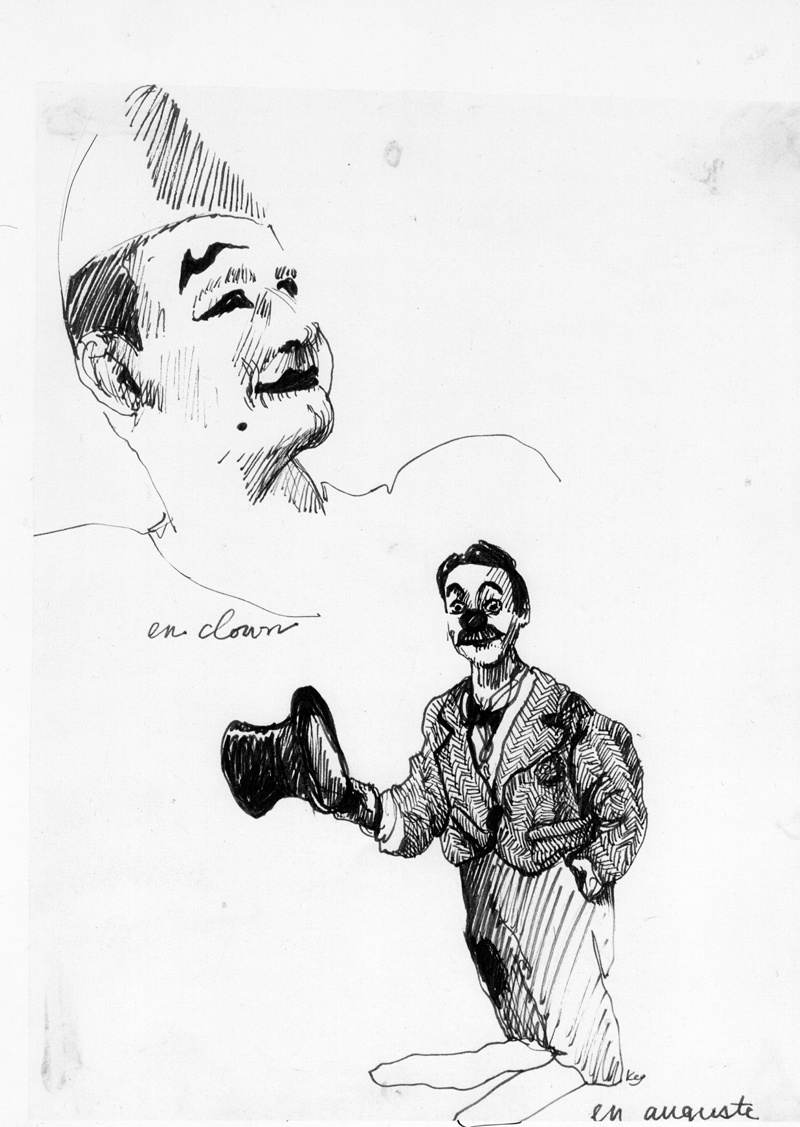
Interesting connection: It was another great Swiss clown, Grock, who earlier in the 20th century packed European theatres with his full-length show and demonstrated that the clown could be a star in his own right, outside of the circus ring. Early on, one of Grock’s whiteface partners was the French clown Louis Maïss Decades later, after studying with Decroux and Marceau, Dimitri launched his clown career playing the auguste to —you guessed it— Louis Maïss.
Here’s what the great Swiss playwright Max Frisch had to say about Dimitri: Look at him, I say, this is a real clown. But, what is a real clown? I don’t know, but look at him – he can do practically anything, and yet remains calm and serene when he accomplishes something new and incredible. He’s a delight to behold, like watching a child discovering the pits and traps of the world who manages, as though by some miracle, to avoid falling. I was tense during the whole performance until someone started to laugh, roaring out loud as though alone – not how one laughs at a joke, but a laugh of joy, the laughter of a child. I was the person laughing, and the clown was Dimitri.
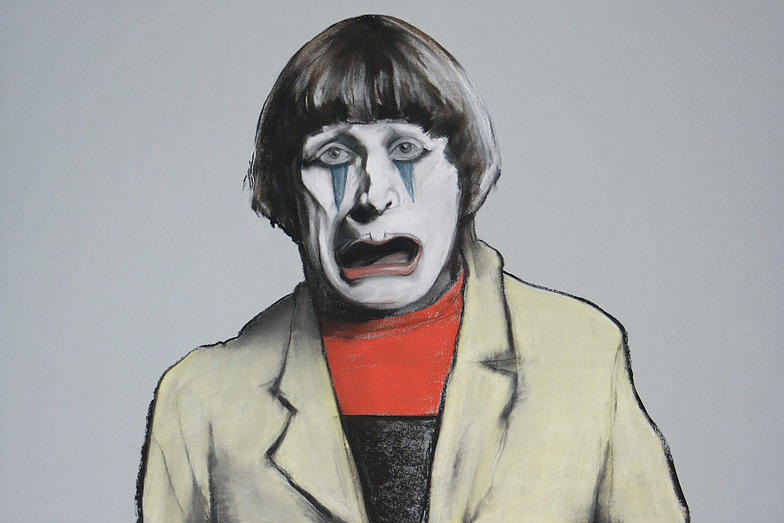
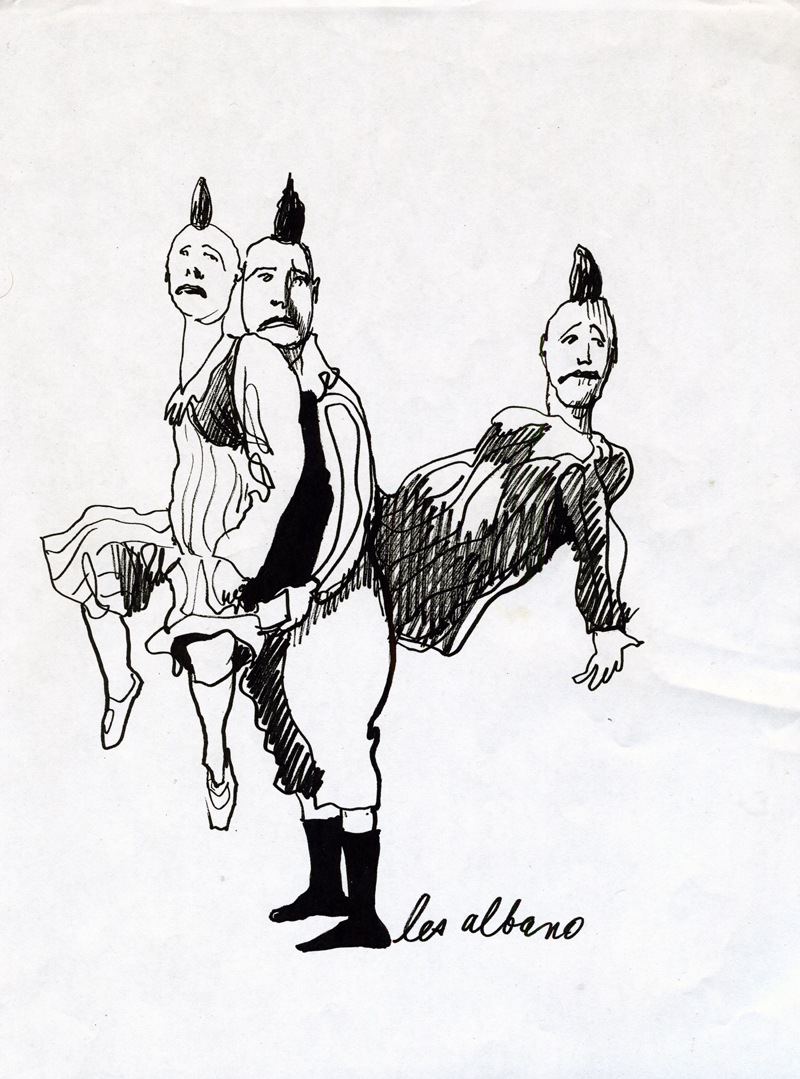
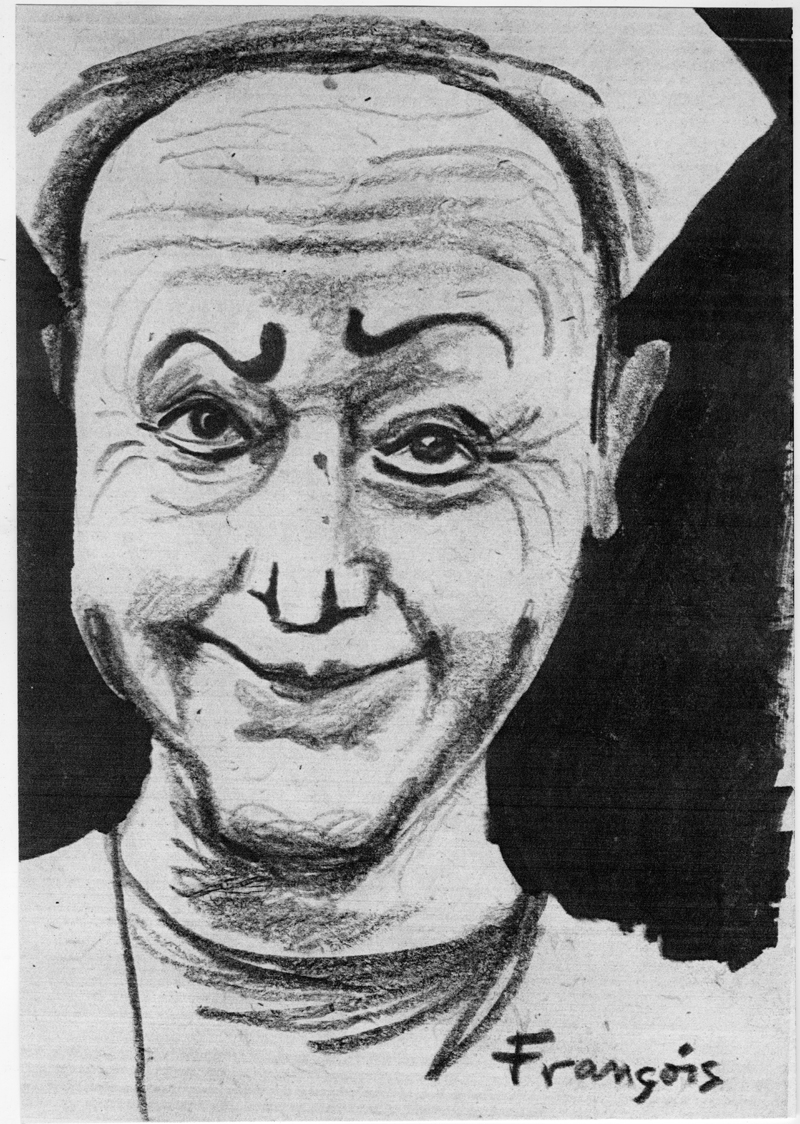
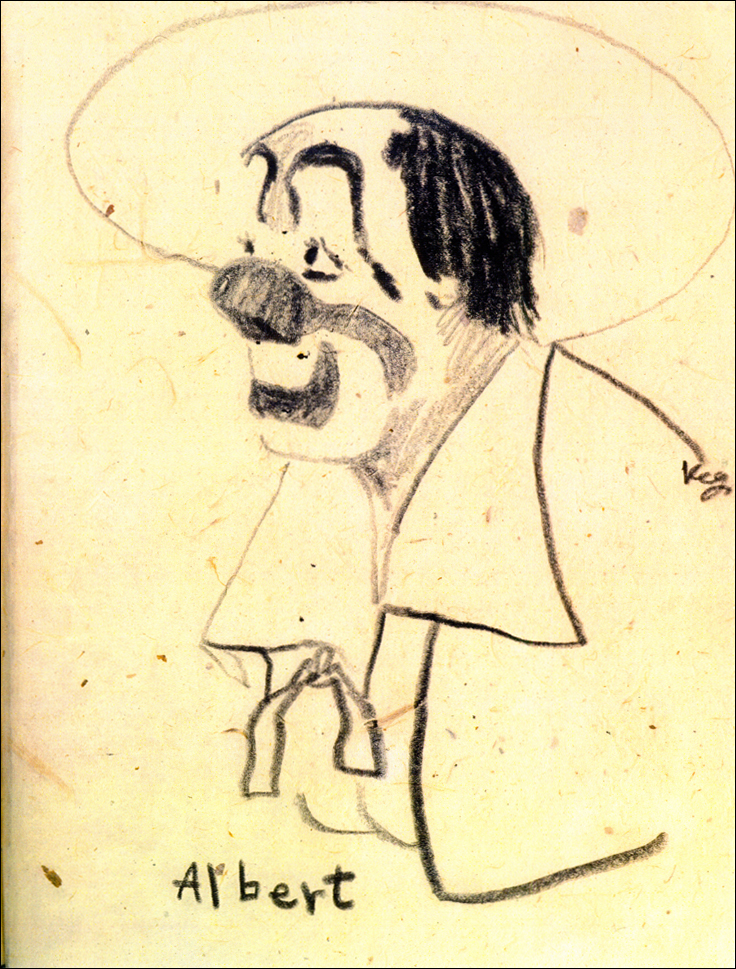
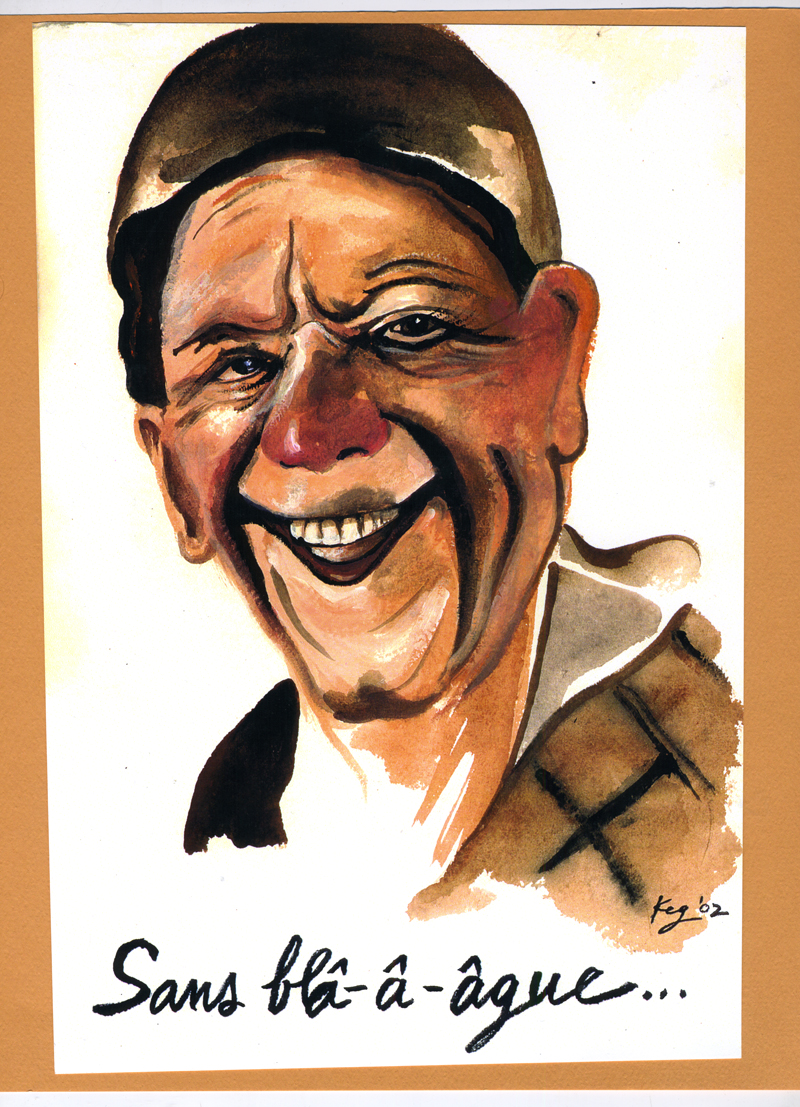
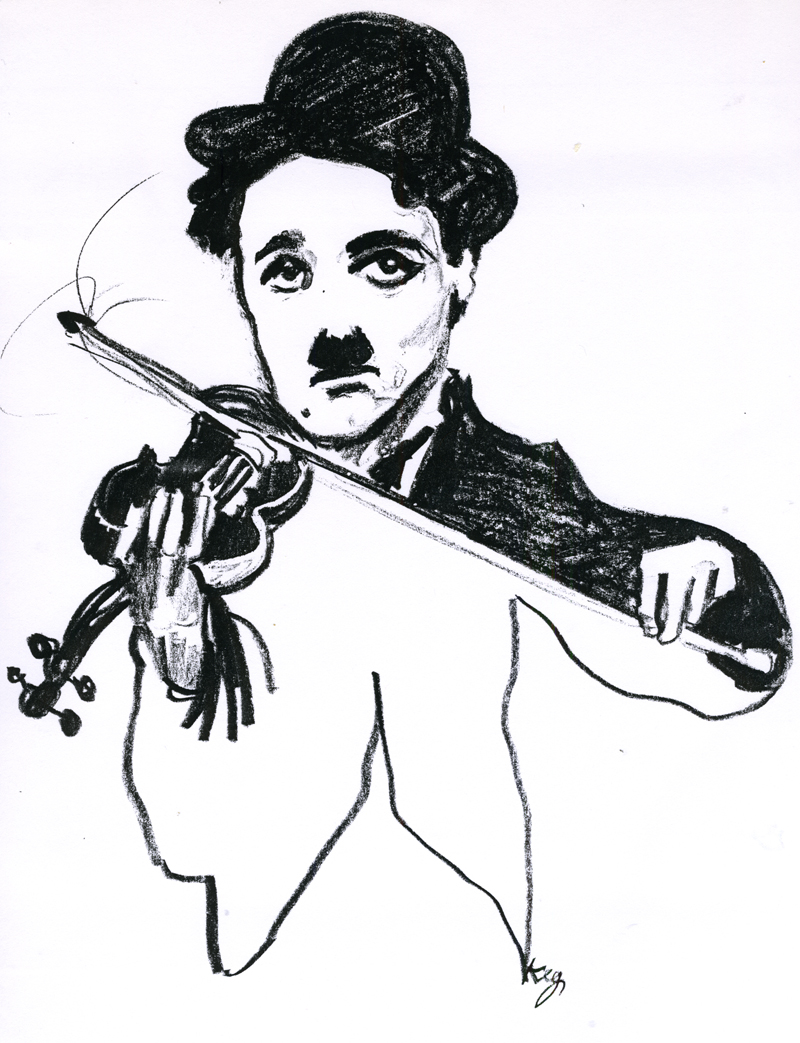
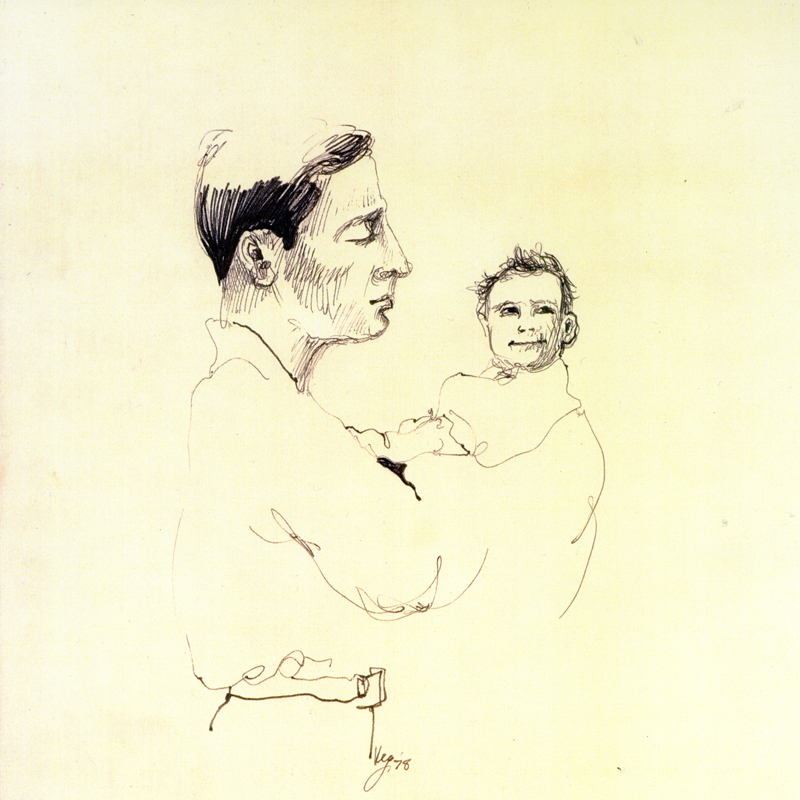
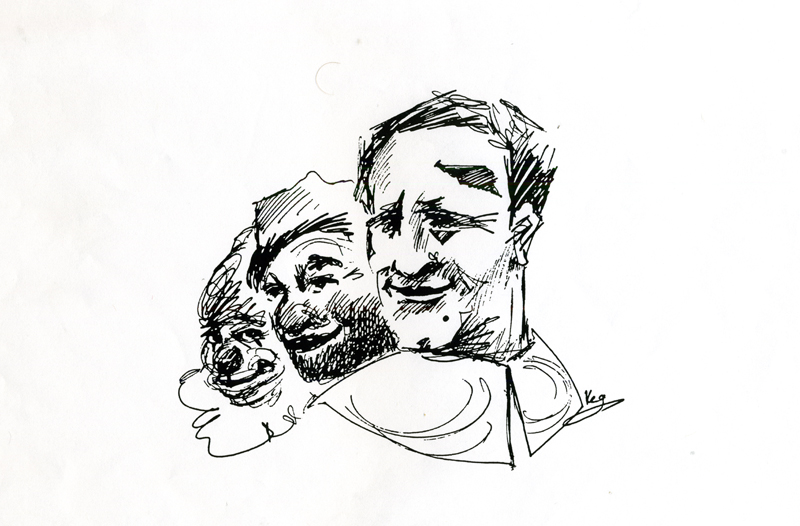
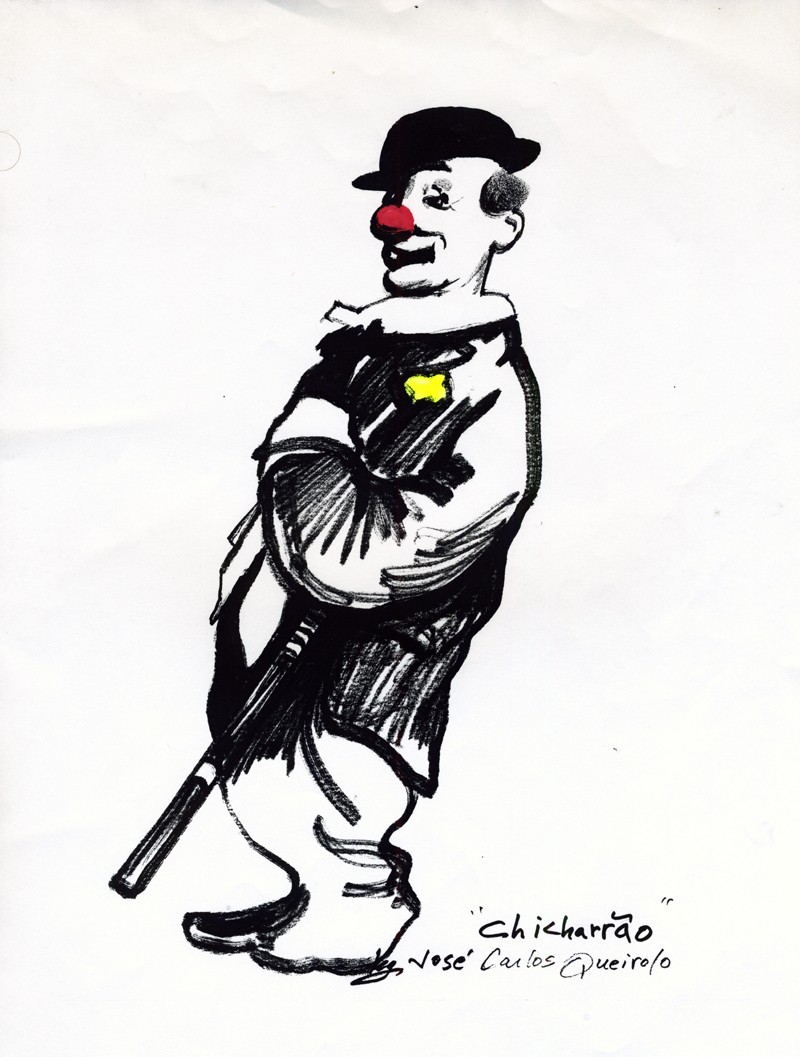
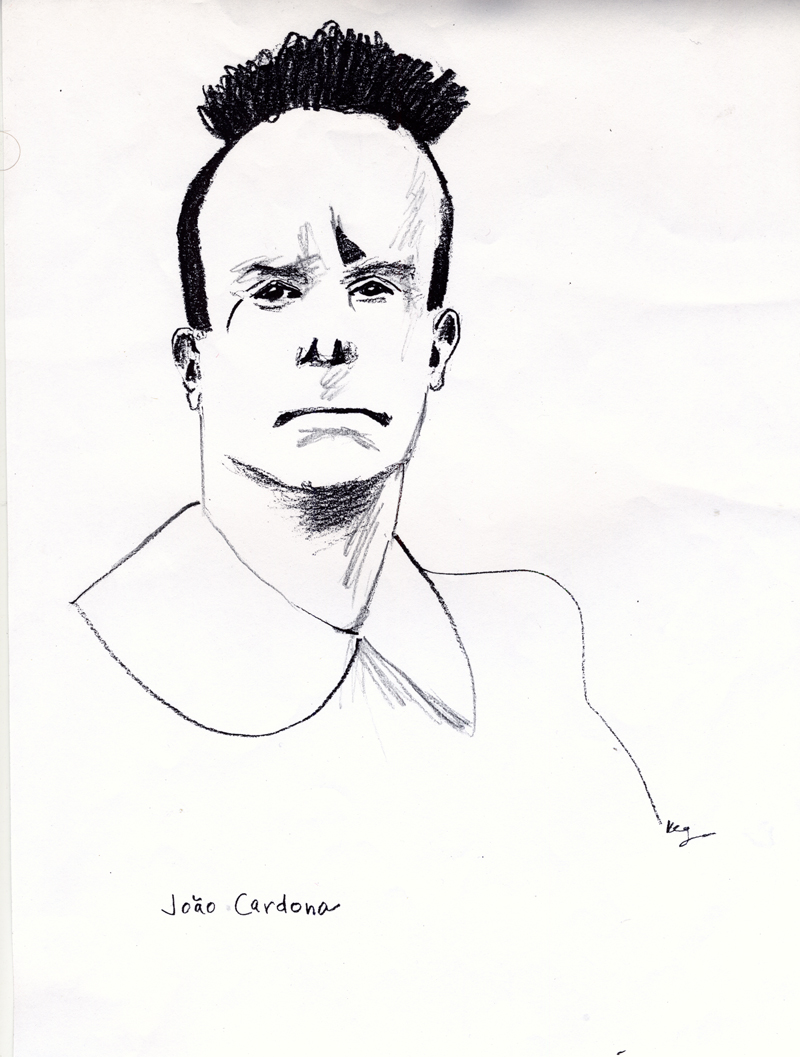
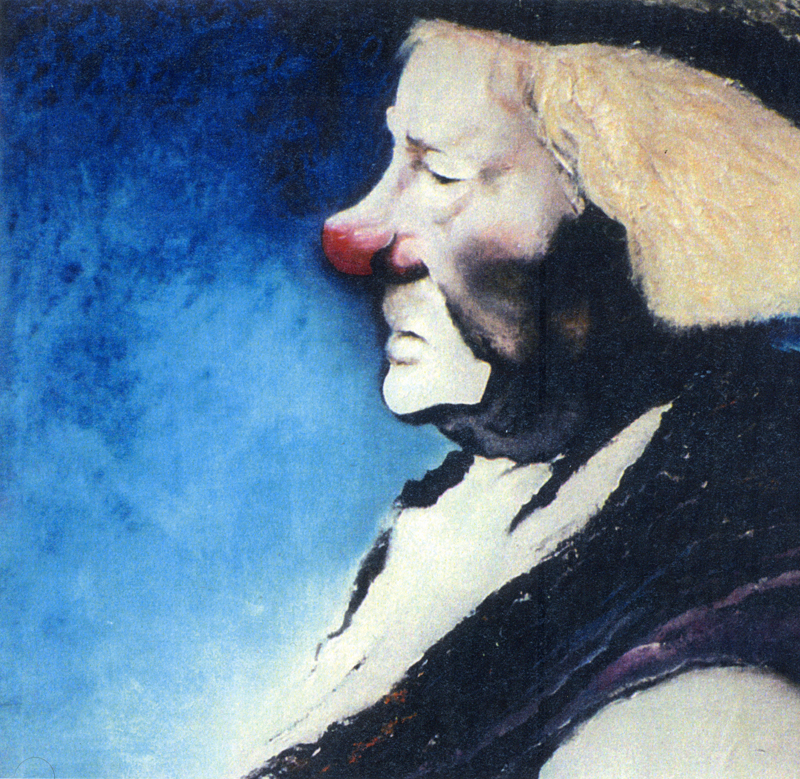
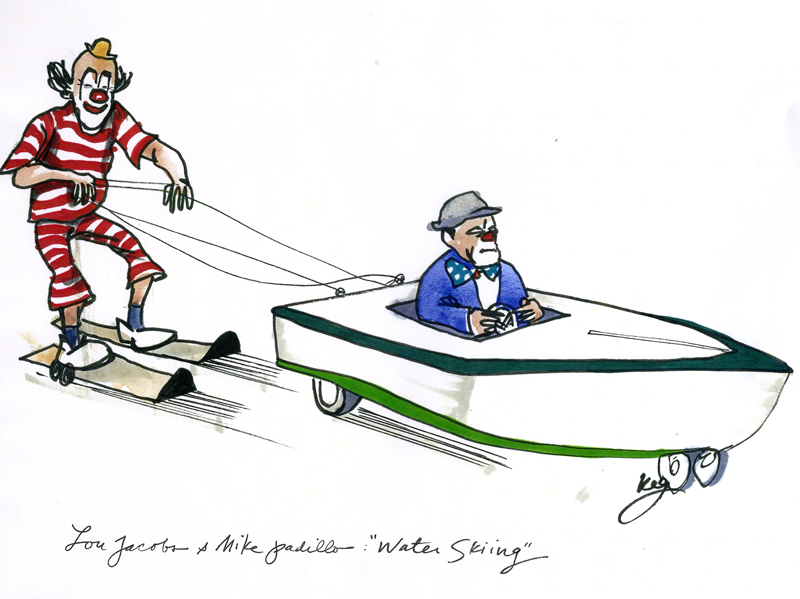
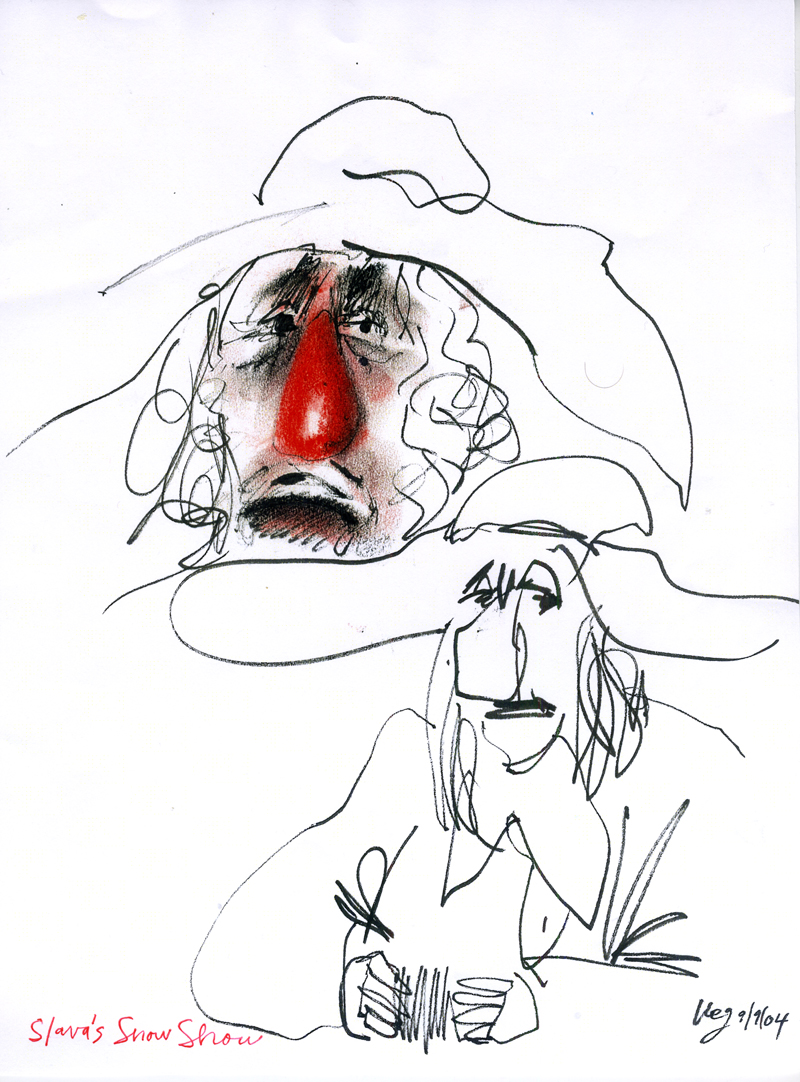
It is a real privilege to be able to present the work of Karen Gersch on this blog. I’ve known Karen for over three decades (though we’re both 29), and she’s quite the Renaissance woman: clown, acrobat, painter, educator, producer — and for all of those three decades New York City’s hostess to ever so many variety artists visiting from around the globe. Karen & I even performed in the Hubert Castle Circus together with Fred Yockers in the late 70s, and I want to say in my defense that any stories she may tell about me from those days are nothing more than wine-induced fabrications. I thought the best way to introduce Karen to the blog was this series of her paintings and drawings of classic clowns. We’ll follow up in later posts with her look at more contemporary clowns, and some of her own performance writing. But first some links: Karen’s current exhibition at the Blueberry Music & Art House in Greenwich, Connecticut
Karen’s art web site. Karen’s Showboat Shazzam (formerly Circus Sundays) series at the fabuloso Waterfront Museum (this is last year’s schedule, but check back for this June’s events) Karen’s Acrobrats performance web site.
___________________________________
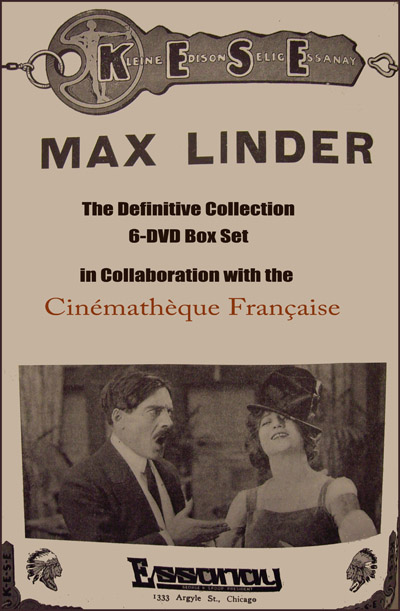
The rediscovery and remastering of silent film classics, reintroducing these artists to the public by way of annotated DVD box sets, has been a great gift to the physical comedy fan. First it was Chaplin and Keaton, then Lloyd and Langdon, followed by Charley Chase, Douglas Fairbanks and, most recently, that modern silent clown, Pierre Etaix. And now finally the father of silent film comedy, Max Linder, is being justly celebrated for his pioneering career that spanned over 400 films, about 130 of which have survived, in a handsome 6-disc DVD set complete with historical commentaries and new musical scores by New York’s own Ben Model.
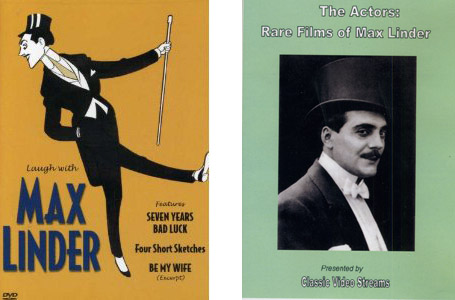
Okay, I just made all that up. Yep, the DVD cover picture too. (Blame Photoshop.) Sorry about that, but there’s no Max Linder box set, no definitive collection, no historical retrospective. Which is a shame, not only because his work is so deserving of it, but because the passage of time means no one is still alive who worked with him (he died in 1925) to answer all our questions. (Yes, I have questions.) Keaton and Chaplin were rediscovered in the 60s when they and many of their collaborators were still kicking, resulting in a treasure trove of material on their incredible body of work. No such luck here.
What we do have are two DVDs showcasing some of Linder’s work, and it is these I will review here:
Laugh with Max Linder was compiled by his daughter Maud and is most valuable for containing his wonderful feature film, Seven Years Bad Luck. It also has a musical score composed to go with the actual films, whereas the Rare Films DVD uses some generic Dixieland music as a background throughout, which does more harm than good. Oh well, just wait for that definitive DVD box set!
The Rare Films of Max Linder DVD is more recent but contains mostly early films from 1905 to 1912. To give this some chronological perspective, keep in mind that by the time Mack Sennett founded Keystone Studios in 1912, Linder had already made a couple of hundred films. In 1913, Sennett hired Chaplin, who did not debut his tramp character until the following year. As for Keaton, his first film appearance wasn’t until 1917, when he had a role in Fatty Arbuckle’s The Butcher Boy.
So Linder was pretty much on his own, ahead of his time and far from Hollywood, in the beginning grinding out a film a day for Pathé in Paris. In the process, he pretty much invented the comic narrative film. While early filmmakers often used gags as their subject matter (see these previous posts), it was Linder who developed a recognizable character — that of an often inebriated Paris dandy — and began to develop stories around him. The first movies were nothing more than simple gag ideas, but over time Linder developed his foppish character, his storytelling skills, and his use of film language.
By the time you get to Linder’s “feature-length” films (about an hour long), the artistic progress is very much in evidence. Now working in Hollywood and Paris, his fame eclipsed by Chaplin, Linder is still somewhat ahead of his time in shooting features. Here are the dates of his four features:
The Little Cafe (1919) Seven Years Bad Luck (1921) Be My Wife (1921) The Three Must Get-Theres (1922)
And the dates of the very first features made by Hollywood’s fearsome foursome:
• Chaplin — The Kid, 1921
• Lloyd — A Sailor-Made Man, 1921
• Keaton — The Three Ages, 1923
• Langdon — Tramp. Tramp, Tramp, 1926
Max Linder: Character Actor
Max Linder the actor (né Gabriel-Maximilien Leuvielle) always played the character Max Linder, a well-to-do Parisian with a knack for getting himself into trouble, usually with women, often from too much drinking. Here’s a sequence from the opening of Seven Years Bad Luck:
Later in that movie, disguising himself to hide from the train conductors after having lost his ticket money, Linder shows his versatility as a comic actor:
Max Linder: Gag Meister
Most gags are older than the hills and were not invented by the famous performers who usually get all the credit. Linder’s broken mirror routine predates the Marx Brothers by more than a decade, but of course he was hardly the first. But you know me, I do get my jollies pointing out earlier versions of gags, so here are a couple from Linder’s films that you may have seen elsewhere — and many years later.
Ye olde getting your coat caught around a pole routine, from Linder’s Max and the Quinquina (1911):
In case you were wondering about the card bit at the end: nice plot device. In the first half of the movie, a drunken Linder insults every big shot in town, inciting each of them to challenge him to a duel at dawn, for which they each hand him their business card. In the second half, every time he gets into trouble he produces one of these cards, is immediately mistaken for the big shot, and is given preferential treatment.
And here’s Buster Keaton ten years later in The Goat (1921):
And as Hovey Burgess reminds me, Soviet clown Oleg Popov did the same thing in his slack wire routine, “accidentally” wrapping his coat around the wire. (I haven’t been able to find a clip of him doing that exact bit, but probably have it somewhere and will add it here if I do locate it.)
Here’s another classic bit from Be My Wife, his 1921 feature film of which only 13 minutes survive. Max is disguised as a piano teacher so he can get closer to his beloved. When he discovers the piano is too far from the bench, he tries to move the piano rather than the bench. His girlfriend’s aunt Agatha shows him the easier way:
And now here’s the legendary Swiss clown Grock doing the same gag:
Grock started working with his first partner in 1903, so for all we know he may have beaten Linder to the punch with this one. In any case, it’s Grock who gets the most comedy out of it, fleshing out the gag with his clown’s dumb determination and then allowing us to share in the joy this naive character experiences at the revelation that there is indeed a better way. With Linder it doesn’t really work because his far more clever character would never do that, unless as an intentional joke.
Also from Be My Wife is this extended sequence in which Linder stages a mock fight (with himself!) to impress his beloved Mary and especially her aunt that he is the better potential husband, and not Simon, the cowardly milquetoast rival that Aunt Agatha is promoting for the position.
And a similar sequence from Charley Chase’s classic Mighty Like a Moose (1926). Here’s the wild situation: Charley and his wife both find themselves unattractive and both secretly undergo medical procedures to improve their looks. They meet outside the home, fail to recognize each other, and start flirting. Charley is the first to realize the truth of the situation and, as a firm believer in the male’s innate right to the double standard, schemes to punish his wife for cheating on him with himself. Yes, wacky! So Charley the husband beats up Charley the lover.
Although I hope to get around to writing in more depth about the variations on the broken mirror routine, any introduction to Linder would not be complete without his superb version of it from Seven Years Bad Luck. In this clip, two amorous servants have just accidentally broken the mirror, and one of them enlists a buddy to hide the misdeed from Max.
What I most like about Linder’s gag work, however, is how he learned to develop and integrate gags into his story. His broken mirror routine can certainly stand on its own,but it is also integral to the plot because the seven years of bad luck that Max spends the whole movie hoping to avoid is triggered by the second breaking of the mirror. Likewise in the same movie, you’ll find a nifty gag wherein an imprisoned Max is cowered into scratching the back of his tough and bullying cellmate. The reprise of this in the courtroom scene totally works… but you’ll just have to see the movie to know what I’m talking about!
Max Linder: Cinematographer
Coming from the theatre and making his first film in 1905, Linder was an early adapter to the form, no doubt learning through trial and error what worked in the new medium, how to use time, space, and special effects to create comedy beyond what he could do on stage. In my interview with her, Maud Linder singled out the 1906 short, Max Takes a Bath, as a good example of her father’s early use of film.
Fast forward to 1921’s Be My Wife, whose opening scene is a cute visual gag where an overprotective Aunt Agatha is fooled by an optical illusion.
Linder’s success and the parallel progress of the art of film allowed him to work with other talented artists who brought greater production values to his movies. One of these was Charles Van Enger, whose cinematographic talents are very much in evidence in the framing and lighting for Seven Years Bad Luck. Here’s his bio from the Turner Classic Movies site.
Charles Van Enger (1890-1980), a leading cinematographer of the silent era, worked with Maurice Tourneur on films such as The Last of the Mohicans (1920) and with Ernst Lubitsch on The Marriage Circle (1924) and Lady Windermere’s Fan (1925). Although credited as an assistant cameraman on The Phantom of the Opera (1925), he reputedly set up many important shots in that film. He spent much of his later career at Universal, working on everything from Never Give a Sucker an Even Break (1941) to Abbott and Costello Meet Frankenstein (1948). By the late 1950s, he was working mainly in television on shows such as Gilligan’s Island.
Wow! From Max Linder to Gilligan’s Island — now there’s a career span.
____________________
Here’s a rundown of what you’ll find on each DVD:
Rare Films of Max Linder
A Skater’s Debut (1905) = 4:21 His First Cigar (1906) = 5:05 Max Gets Stuck Up (1906) = 3:01 Max Takes a Bath (1906) = 4:38 Legend of Ponchinella (1906) = 7:32 Max’s Hat (1908) = 8:55 Troubles of a Grass Widower (1908) = 9:48 Max and the Lady Doctor (1909) = 5:59 Max Fears the Dogs (1909) = 2:44 Max and the Quinquina (1911) = 16:44 Max Plays at Drama (1911) = 7:01 Max Juggling for Love (1912) 6:42 Max and his Dog (1912) — 6:33 Max and the Statue (1912) = 9:58 Max and his Mother-in-Law (1912) = 24:12 (!!) Be My Wife (1921) = 13:33
Laugh with Max Linder Boxing with Maurice Tourneur (1912) = 2:40 Love’s Surprises (1913) = 6:13 Max Takes a Picture (1913) = 13:06
Max Sets the Style (1914) = 8:53 Seven Years Bad Luck (1921) = 61:52 Be My Wife (1921) = 13:33
Both of these DVDs are available from Amazon. Laugh with Max Linder is also available from Netflix and on Amazon video on demand.